
OPTİMA AZERBAIJAN
iiko Official Partner
200520-1
+994 12 310 26 27
+994 50 380 88 24
Request a call back

Apple officially introduced its updated “Siri AI” at WWDC 2026. The new version is expected to become a smarter, more contextual digital assistant capable of handling multi-step commands, understanding what is happening on the user’s screen, remembering conversations, and working more deeply across applications.
However, behind this announcement lies a much more complicated story.
The story began in 2024. At WWDC 2024, Apple demonstrated a new and more intelligent version of Siri. Later, the company promoted the iPhone 16 series using those upcoming Siri and Apple Intelligence features. The campaign was large-scale, appearing across television, online platforms, and digital advertising.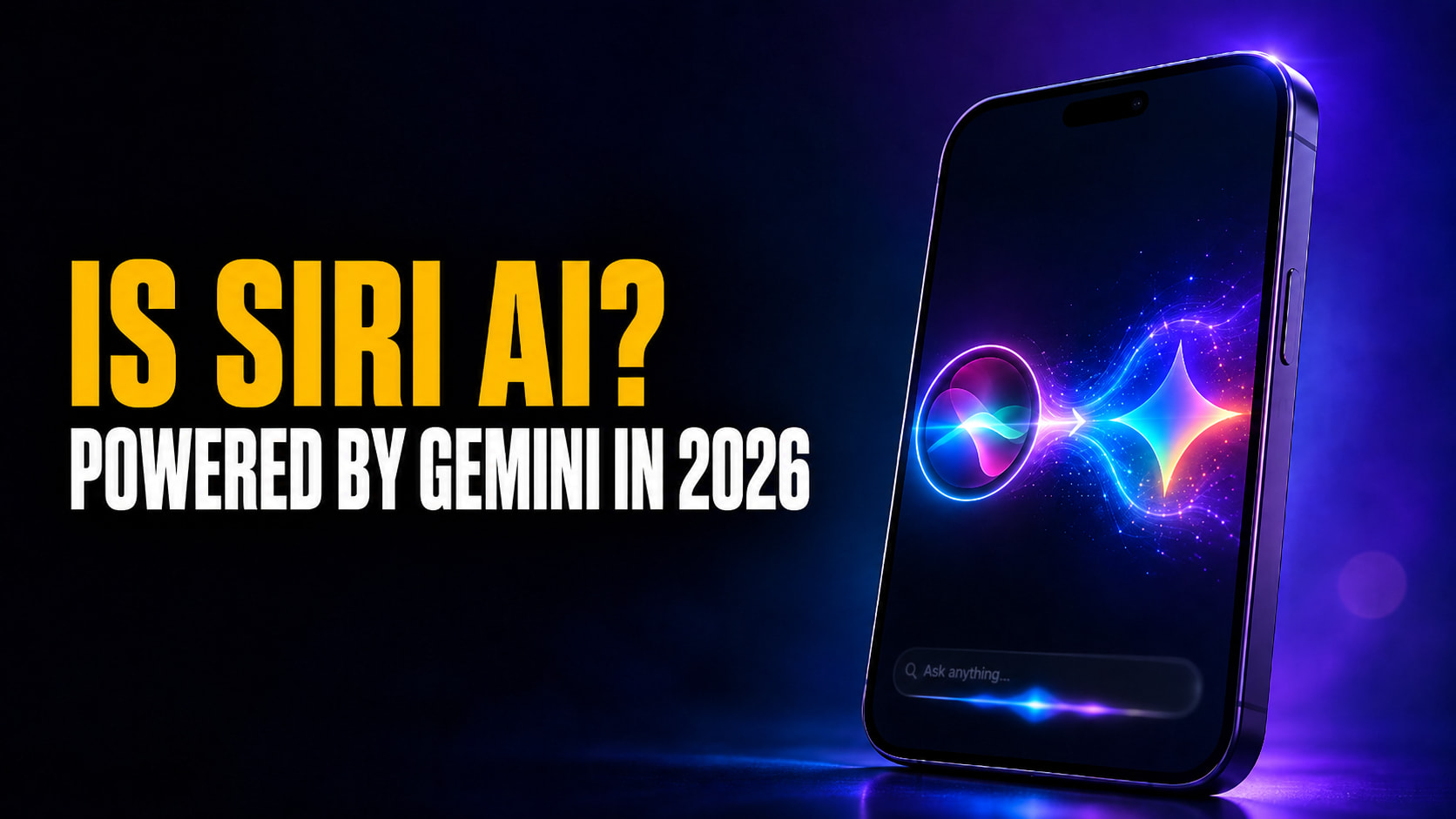
The problem was that the advertised Siri features were not fully available to users at the time.
In March 2025, Apple acknowledged that several Siri and Apple Intelligence features had been delayed. The company removed the related advertisements, but by then, iPhone 16 devices had already been sold to millions of customers.
As a result, Apple faced legal action over the delayed AI features. The case eventually led to a $250 million settlement. Although Apple did not admit wrongdoing as part of the settlement, the situation became an important example for the technology industry: promises related to AI are not just marketing messages — they can also create legal, financial, and reputational risks.
After this period, Apple also moved toward deeper cooperation with Google. According to reports, Google’s Gemini model is expected to support some of the new AI capabilities behind Siri. This partnership is seen as one of Apple’s major steps toward delivering a more powerful and practical AI assistant experience.
At WWDC 2026, the newly introduced Siri AI promised broader functionality: a dedicated AI experience, conversation memory, screen awareness, personal context understanding, and multi-step task execution. The updated Siri AI is expected to become available in fall 2026.
But this is not just a story about Apple.
Apple has thousands of engineers, a powerful legal department, investor relations teams, and a global communications structure. Still, an AI promise led the company into a $250 million legal settlement.
This is also an important lesson for the Azerbaijani market.
Today, many companies, holdings, and public institutions use phrases such as “we have implemented AI,” “we have built an AI-based system,” or “we have developed an AI strategy” in reports, tender documents, contracts, and presentations.
But who owns that statement?
What exactly was promised?
Was it actually delivered?
Is there technical proof?
Were the risks documented?
Is there an audit trail?
AI is no longer just a technology trend. It has become a matter of legal responsibility, reputational risk, and corporate governance.
The AI Governance Audit process by NeuroPuls is designed to answer exactly these questions. In organizations that go through this audit process, AI-related decisions, promises, implementations, and risks are documented and traceable.
As a result, the phrase “we have implemented AI” does not remain just a marketing statement. It becomes a verified, documented, and properly governed process.
The Apple case shows that an AI promise can be a major opportunity — but if it is not managed correctly, it can also become a serious risk.
09-Jun-2026 59
You can get advice, clarify prices and order a solution from the specialists of iiko BUSINESS PARTNER AZERBAIJAN. Contact us by phone, e-mail or request a call back.