
Why Is Data-Driven Decision Making Important?
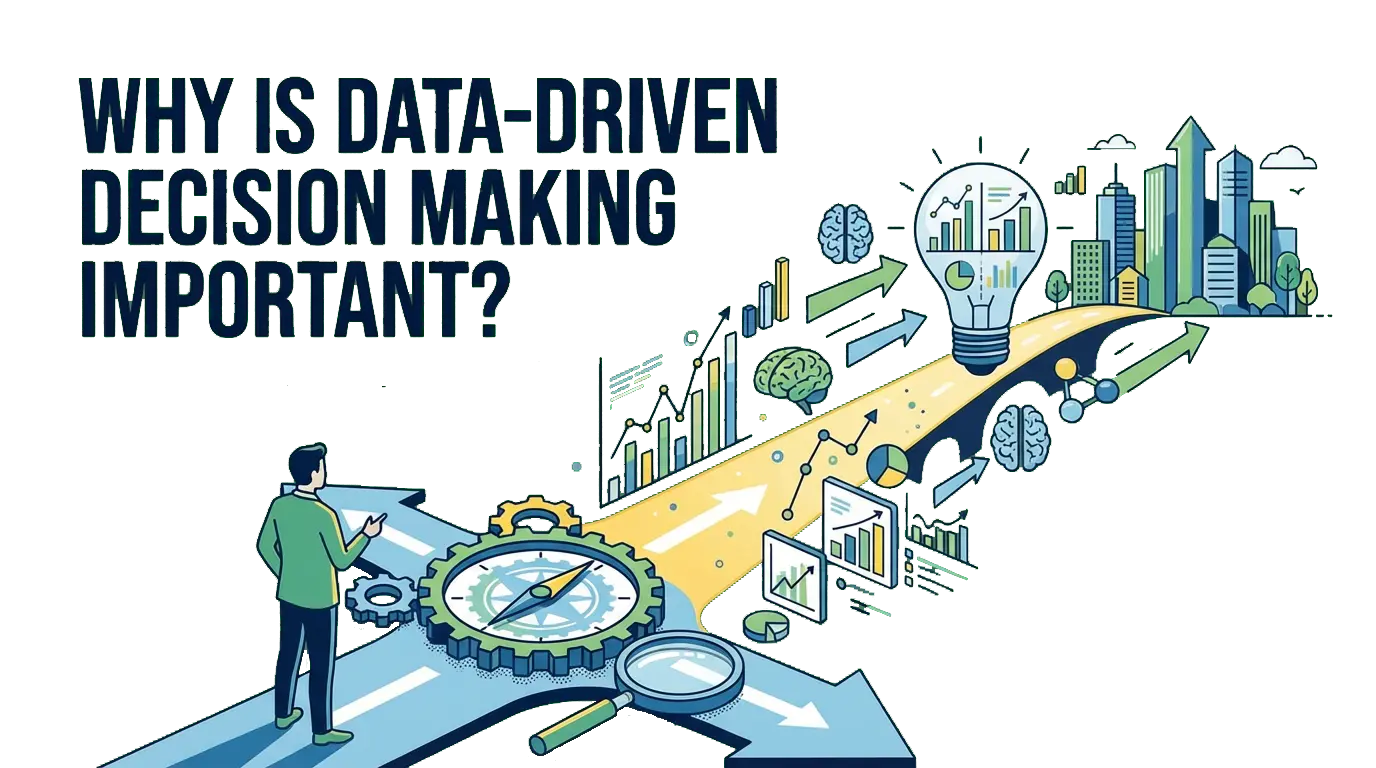
Imagine that you are navigating a ship in dense fog on a stormy sea. What would you base your decisions on: the captain’s “gut feelings” or the readings of the ship’s radar and GPS systems? Modern business is exactly such a turbulent ocean. Unfortunately, many company executives still make million-dollar decisions based on subjective feelings such as “I think so” or “years of experience.” Data-Driven Decision Making (DDDM) means using the digital compass of business, replacing intuition with concrete facts and numbers.
Intuition or Information? Key Advantages
Data is not just a collection of numbers; it is the voice of your customers and your business. When you base your decisions on data, you gain the following strategic advantages:
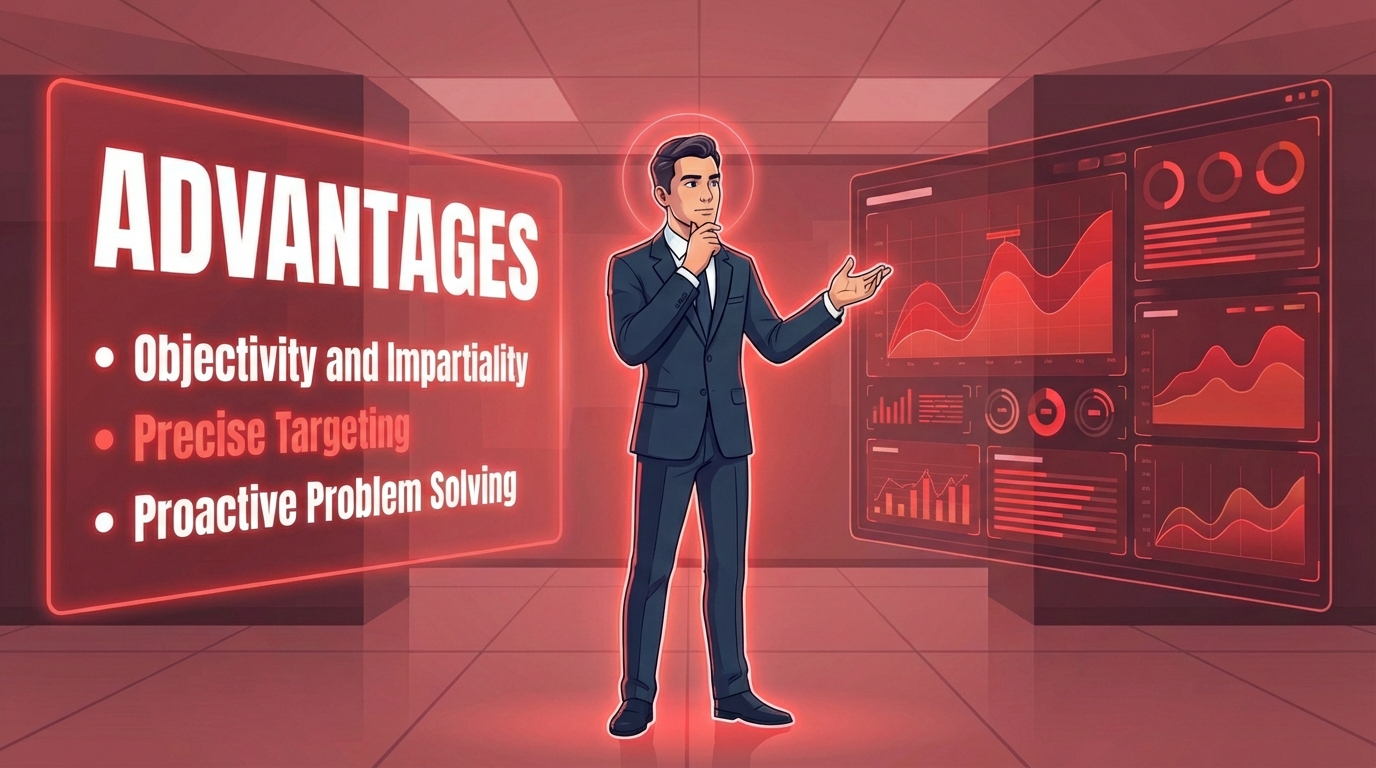
- Objectivity and Impartiality: The human brain is prone to emotions and past experiences. After several unsuccessful calls, a sales manager may say, “this product does not sell.” However, data shows the full picture and removes personal bias from the decision-making process.
- Precise Targeting (Micro-targeting): Data does not only show who your customer is, but also when, why, and how they make purchases. Instead of spending your advertising budget on “everyone,” you direct it toward the segment with the highest probability of buying.
- Proactive Problem Solving: Traditional businesses look for solutions after a problem occurs. A data-driven business analyzes trends and detects problems months in advance (for example, churn rate warnings) and takes preventive action.
Statistics: Numbers Do Not Lie
The power of Big Data is not imaginary; it is proven by figures from global research centers:
- Customer Acquisition: According to McKinsey research, companies that rely on data analytics are 23 times more likely to acquire new customers and 6 times more likely to retain existing ones.
- Profitability Boost: Organizations that base their decisions on data generate, on average, 19% more profit than their competitors.
- Time Savings: Thanks to artificial intelligence and automated dashboards, the time managers spend collecting data decreases by up to 70%.
Evolution Timeline: Analytics from Past to Future
The use of data in business has gone through a rapid evolution:
- The 2010s (Descriptive Analytics): Companies only asked, “What happened in the past?” End-of-month Excel reports and outdated sales tables were the main tools.
- 2018–2022 (Real-Time and Visualization): With the rise of tools such as Power BI and Tableau, the question “What is happening right now?” became central. Business owners began monitoring processes through live dashboards.
- 2025+ (Predictive and Prescriptive Analytics): With the introduction of artificial intelligence, the questions changed to: “What will happen in the future?” and “What should we do?” Data systems now not only identify problems but also automatically suggest solutions.

Data Reality in Azerbaijani Business
In Azerbaijan, the transition from the “I think so” approach to the “numbers show that” approach has accelerated in recent years. However, specific obstacles still exist.
First, Data Fragmentation (Data Silos): In many local companies, sales data is stored in one database, marketing data in another, and accounting information somewhere completely different. When data cannot come together and “communicate,” it loses its strategic value.
Second, in large e-commerce platforms and the banking sector (for example, retail lending and cashback campaigns), DDDM is already the standard. Offering personalized discounts based on users’ in-app behavior is the direct result of data analysis. In the future, the availability of affordable cloud-based analytics tools for SMEs (Small and Medium Enterprises) will further intensify competition.
Data is the oil of the modern era, but like oil, it cannot be used without refining. Data-driven decision making does not reduce risks to zero, but it minimizes the probability of failure and creates a clear roadmap for growth. If you are not managing your business with numbers, be sure that your competitors are — and very soon they will leave you behind in that stormy ocean.