
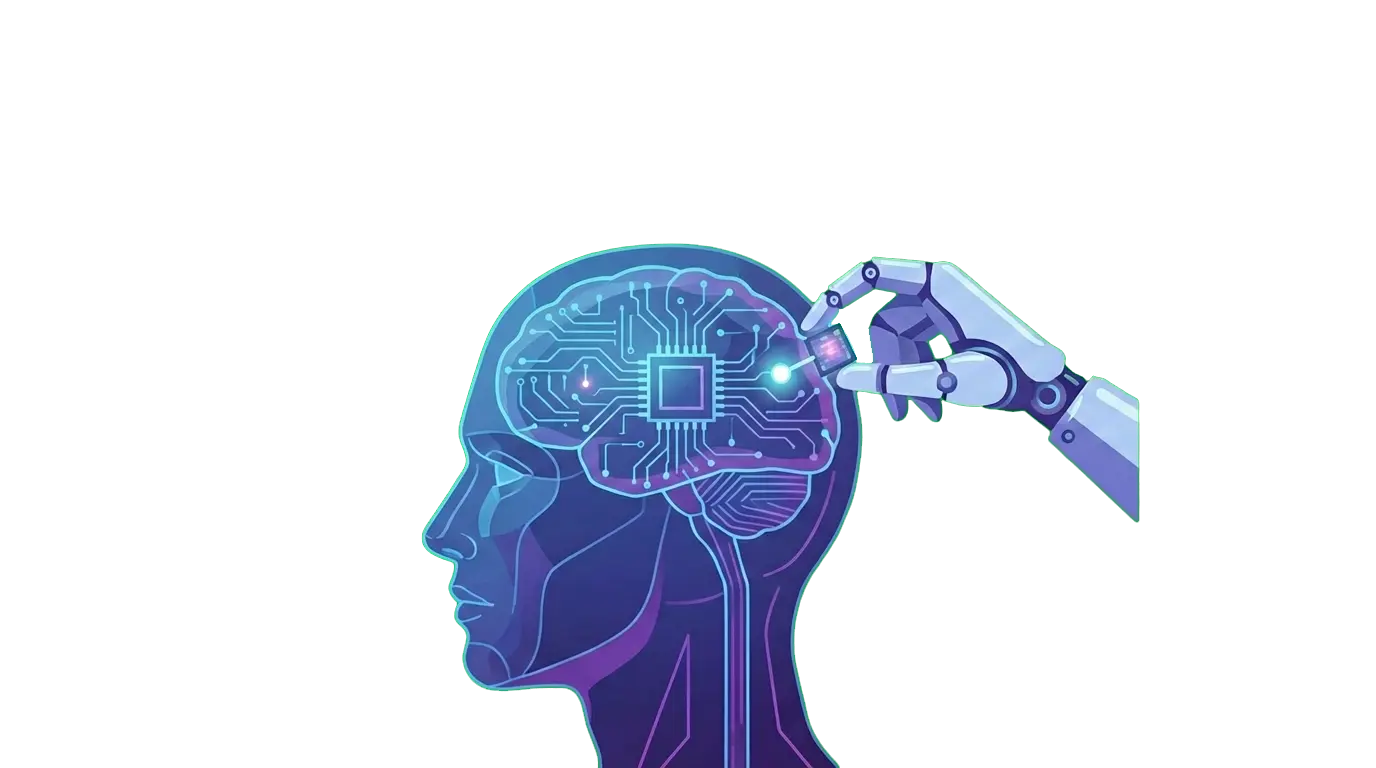
Will Artificial Intelligence Be Integrated into the Human Brain?
Scenarios once seen only in science fiction films—such as controlling technology with the power of thought or uploading information directly into the brain—are now on the verge of becoming reality. As artificial intelligence (AI) continues to advance, scientists and technology giants are working not only to embed it in computers, but also to integrate it into our biological bodies. The fusion of the human brain with artificial intelligence (Brain–Computer Interface – BCI) will not only solve medical problems, but also elevate human capabilities to a superhuman level.
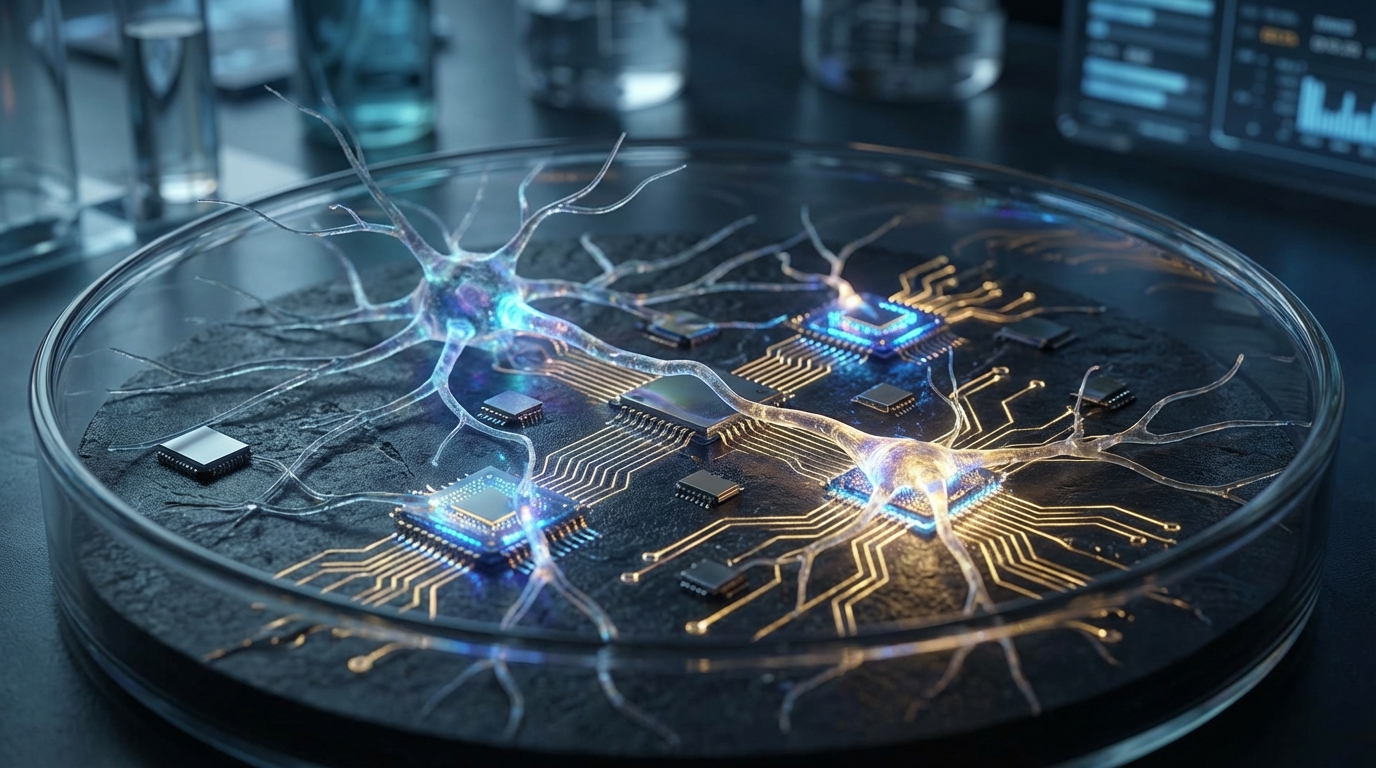
Current Technology and the BCI Revolution
Elon Musk’s Neuralink and other biotechnology startups have made significant progress in this field. The integration of artificial intelligence into the brain is developing mainly along two directions:
- Medical Necessity and Rehabilitation: the primary goal at present is to restore lost functions in paralyzed individuals. BCI chips read brain signals and convert them into digital commands. Thanks to this, people who have lost mobility can control a computer cursor or move robotic arms simply by thinking.
- Cognitive Enhancement (Augmentation): the future objective is to enhance the memory of healthy individuals, increase learning speed, and connect brains directly to the “cloud.” This is seen as a necessary step for humans to remain competitive with artificial intelligence.
Potential Risks and Ethical Questions
As fascinating as this technology is, it also raises alarming questions. The integration process involves several risks:
- Privacy and Hacking Threats: if our brains are connected to the internet, could our thoughts be hacked? The theft or manipulation of brain data could become the greatest nightmare of cybersecurity.
- Digital Inequality: this technology will be expensive. If only the wealthy have access to “super-brains,” it could create biological stratification within society.
- Loss of Identity: if artificial intelligence influences our decisions, how will the concept of the “self” change? The boundary between our own thoughts and AI-driven suggestions may disappear.
Statistics and Market Size
The numbers show that the neurotechnology sector is on the brink of explosive growth:
- Market Value: the global Brain–Computer Interface market is projected to reach $6.2 billion by 2030.
- Clinical Trials: currently, more than 400 active BCI clinical trials are being conducted worldwide.
- Data Transfer Speed: the latest models can convert more than 60 words per minute from brain signals into digital text—three times faster than in previous years.
Evolution Timeline: Toward Symbiosis
The roadmap for the convergence of humans and machines can be roughly outlined as follows:
- 2023–2024 (First Steps): Neuralink’s first successful trial on a human patient. A paralyzed individual managed to play chess using only the power of thought.
- 2026–2028 (Expanded Medical Use): advancement of technologies that transmit visual signals directly to the cerebral cortex for people who have lost their vision.
- 2035+ (Full Integration): the beginning of an era in which people can hear translations directly in their brains without learning foreign languages, or even “download” knowledge.
Perspectives on This Technology in Azerbaijan
Although neurochip production does not yet exist in Azerbaijan, the medical community and technology sector are closely monitoring these developments. Medical universities and young scientists specializing in biotechnology are studying international research.
In the future, the introduction of this technology in Azerbaijan may initially occur through medical tourism or highly specialized neurosurgical procedures. At the same time, discussions about the ethical aspects of artificial intelligence are becoming increasingly relevant in society; people are questioning how this technology will align with religious and moral values.
The integration of artificial intelligence into the human brain appears inevitable. This can be viewed as a transition in human history from “Homo Sapiens” to “Homo Deus” (God-Man). The risks are significant, but the potential to overcome diseases and explore the mysteries of the universe more rapidly is driving humanity down this path. We are already in symbiosis with our smartphones; the next step is simply to make this connection physical.